
Top 3D Rendering Tools for Architects: Elevate Your Designs with the Best Software
Creating stunning architectural visuals is no longer a luxury - it’s a necessity. Whether you’re designing a sleek modern home, a sprawling commercial complex, or a cozy interior space, the right 3D rendering software can transform your ideas into vivid, compelling images. I’ve explored countless options, tested features, and gathered insights to bring you the top 3D rendering tools that will boost your workflow and impress your clients.
Let’s dive into the world of architectural visualization and discover the software that can make your projects shine.
Why You Need the Top 3D Rendering Tools
In architecture, visuals speak louder than words. A well-rendered image can communicate design intent clearly, help clients visualize spaces, and speed up decision-making. But not all rendering software is created equal. The best tools combine power, ease of use, and flexibility.
Here’s why investing time in mastering the top 3D rendering tools pays off:
Precision and Realism: Achieve photorealistic textures, lighting, and shadows that bring your designs to life.
Efficiency: Save hours with intuitive interfaces and smart automation features.
Versatility: Handle everything from quick concept sketches to detailed presentations.
Collaboration: Share interactive models and walkthroughs with clients and teams seamlessly.
Choosing the right software means you can focus on creativity, not technical headaches. It’s about working smarter, not harder.
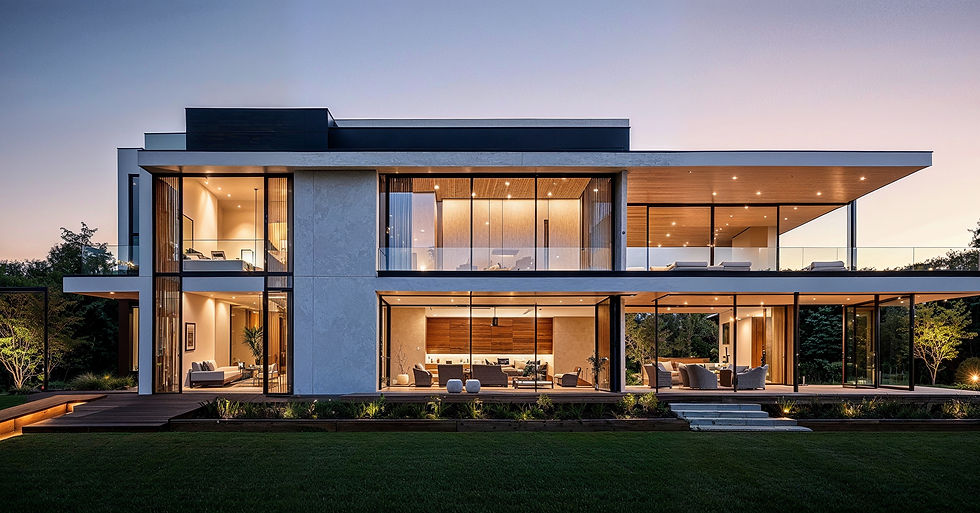
Exploring the Top 3D Rendering Tools for Architects
Let’s break down the leading software options that have earned their place in the architectural community. Each tool offers unique strengths, so you can pick what fits your style and project needs.
1. Powerful and User-Friendly: Software A
This tool stands out for its balance of advanced features and accessibility. It offers:
Real-time rendering so you see changes instantly.
A vast library of materials and objects to speed up scene creation.
Easy integration with popular CAD and BIM programs.
Support for VR walkthroughs to immerse clients in your designs.
Whether you’re a beginner or a seasoned pro, this software adapts to your pace. Its intuitive interface means less time learning and more time creating.
2. High-End Realism: Software B
If your projects demand the highest level of photorealism, this is your go-to. It excels in:
Advanced lighting simulation, including global illumination.
Detailed texture mapping and material customization.
Powerful post-processing tools for fine-tuning images.
Support for large-scale projects without compromising speed.
This software is perfect for presentations where every detail counts. It’s a bit more complex but rewards your effort with breathtaking visuals.
3. Versatile and Collaborative: Software C
Designed for teams and multi-disciplinary workflows, this tool offers:
Cloud-based rendering for easy access anywhere.
Collaborative features allowing multiple users to work on the same project.
Compatibility with various file formats and design software.
Automated rendering presets to streamline repetitive tasks.
It’s ideal for projects involving architects, interior designers, and developers working together. The cloud aspect ensures your work is always backed up and accessible.

What Software Do Architects Use for 3D?
Architects rely on a mix of software depending on project scope and personal preference. Commonly, they combine CAD or BIM tools with dedicated rendering software to produce polished visuals. Popular choices include:
SketchUp for quick 3D modeling paired with rendering plugins.
Revit integrated with rendering engines for BIM-based projects.
3ds Max for complex animations and high-detail renderings.
Lumion for fast, real-time rendering with beautiful environmental effects.
The key is to select software that complements your workflow and enhances your design storytelling. Many architects use multiple tools in tandem to cover all bases.
How to Choose the Right 3D Rendering Software for Your Projects
Selecting the perfect software can feel overwhelming. Here’s a simple checklist to guide your decision:
Project Requirements: Are you focusing on interiors, exteriors, or both? Do you need photorealism or conceptual visuals?
Ease of Use: How steep is the learning curve? Will you need extensive training?
Compatibility: Does it integrate well with your existing CAD or BIM tools?
Rendering Speed: How fast do you need your images? Real-time or batch rendering?
Budget: Consider licensing costs and hardware requirements.
Support and Community: Is there good documentation, tutorials, and user forums?
Try free trials whenever possible. Hands-on experience is the best way to find your perfect match.
Unlocking Your Creativity with the Best Tools
Mastering the top 3D rendering tools opens up endless possibilities. You can experiment with lighting, materials, and camera angles to craft compelling narratives around your designs. Remember, the goal is to make your vision tangible and exciting.
If you want to explore more options, check out this comprehensive list of 3d rendering software for architects. It’s a great resource to compare features and find what suits your style.
Keep pushing boundaries, stay curious, and let your designs speak volumes through stunning visuals. The right software is your partner in turning ideas into reality.
Ready to elevate your architectural projects? Dive into these top 3D rendering tools and watch your designs come alive like never before.


The focus on tools that balance stunning visuals with a smoother workflow is spot-on, especially for impressing clients across residential and commercial projects. I’ve been using https://aiposter.pro
The emphasis on turning concepts into vivid visuals is spot-on, especially for impressing clients across residential and commercial projects. I’m curious which tool best balances quality and workflow speed—I've been using https://virlo.site/virlo-for-tiktok
Great roundup—comparing tools by workflow impact and client-ready visuals is especially useful for projects ranging from modern homes to commercial complexes. I’ve been testing one of these for interiors—check out https://videoinu.pro/videoinu-pricing
The focus on turning concepts into vivid visuals for client presentations really resonates, especially for modern residential designs. I’m comparing rendering workflows and have been using https://tripo3dai.pro
The focus on turning concepts into vivid visuals for modern homes and commercial spaces is spot-on—choosing the right renderer can really streamline workflows and impress clients. I’ve been using https://deevid.pro